
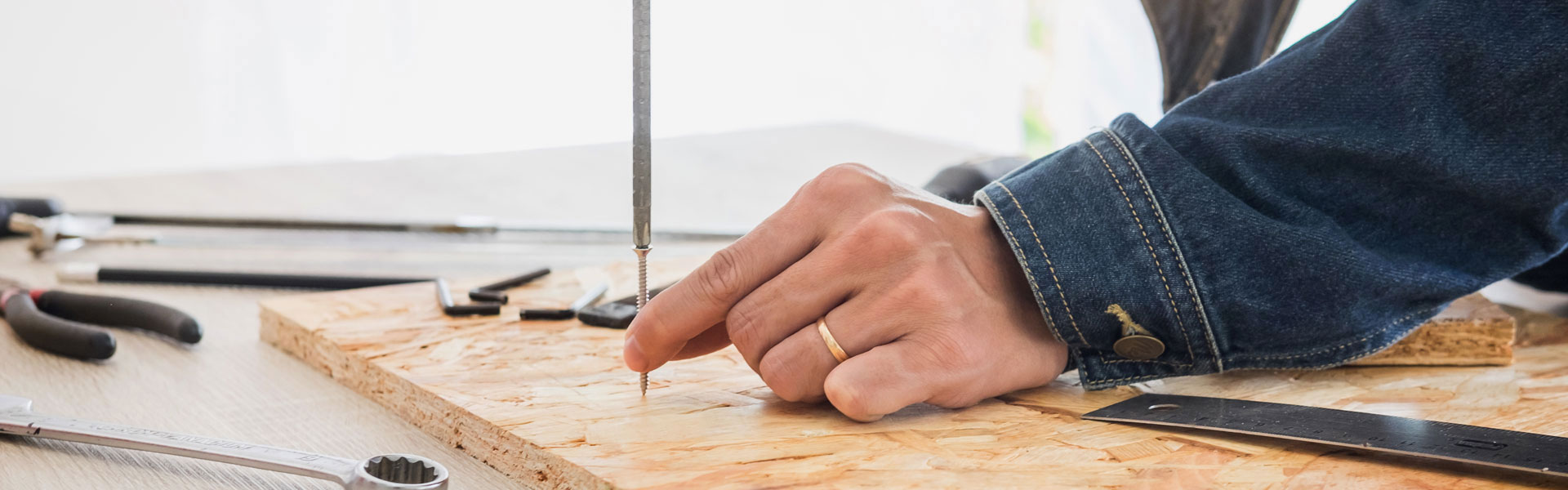
How Do Self Drilling Screws Improve Construction Efficiency and Long-Term Structural Reliability?
Self drilling screws are engineered fasteners designed to combine drilling, tapping, and fastening functions into one continuous operation. These screws feature hardened drill points, precise thread geometry, and corrosion-resistant coatings that enable faster installation, reduced labor costs, and stronger long-term structural performance.

Self drilling screws are widely used in metal roofing, steel framing, HVAC assembly, light-gauge steel structures, cabinet manufacturing, and general industrial fabrication. Their ability to penetrate metal substrates without pre-drilling distinguishes them from traditional fasteners and makes them one of the most important components in modern construction and manufacturing systems. Within the following sections, the document examines product specifications, industry adoption, comparative performance factors, future developments, and professional procurement considerations.
Core Structural Parameters of Self Drilling Screws
Below is a professional parameter reference table that outlines typical specifications purchased by global industrial users. Dimensions may vary depending on custom manufacturing needs, but these represent industry-standard configurations:
| Parameter Category | Specification Range | Description |
|---|---|---|
| Diameter | #6 – #14 or 3.5 mm – 6.3 mm | Covers light to heavy-duty applications |
| Length | 13 mm – 200 mm | Long options for thick steel or layered assemblies |
| Thread Type | Fine thread / coarse thread | Fine for thin steel, coarse for timber-to-steel |
| Drill Point Type | #1 – #5 | Higher numbers penetrate thicker metal |
| Head Style | Hex washer, pan, countersunk, bugle, truss | Based on surface requirements and tooling |
| Material | Carbon steel, stainless steel 304/316 | Carbon steel for general use; stainless for corrosion resistance |
| Finish | Zinc plating, Ruspert, mechanical galvanizing, epoxy coatings | Enhances corrosion resistance and product lifespan |
| Hardness Level | Surface: HRC 45–50 / Core: HRC 28–38 | Ensures drilling strength with ductile core |
| Application Substrate | Thin steel, thick steel, metal panels, wood-to-metal combinations | Broad industrial adaptability |
These parameters directly impact installation speed, load-bearing performance, corrosion resistance, and compatibility with construction materials. Understanding these details helps procurement teams choose the most effective fastener for each specific engineering requirement.
How Self Drilling Screws Enhance Structural Efficiency
Self drilling screws significantly optimize project workflow by eliminating the need for separate drilling and tapping operations. Their engineered drill tip cuts through steel, aluminum, and other metals with controlled speed, reducing heat concentration and preventing substrate deformation. Professionals value these screws for large-scale metal building assembly where thousands of fastening points must be set quickly.
The main functional advantages include:
-
Accelerated installation speed due to integrated drill tip
-
Reduced tool wear, especially on heavy-duty job sites
-
Precise thread engagement, preventing stripping and improving holding power
-
Lower labor requirements, reducing overall project cost
-
Consistent drilling performance even across high-strength steel panels
-
Enhanced alignment accuracy because each screw drills its own pilot path
-
Improved safety, minimizing the need for multiple tools and operations
In industries like roofing and cladding, self drilling screws help workers maintain productivity without sacrificing quality. The screw’s sharp flutes allow material eviction during drilling, enabling cleaner holes and stronger thread seating. Structural integrity is improved when each fastening point maintains uniform penetration depth and torque resistance.
Self drilling screws also provide superior durability due to specialized surface coatings. Rust-resistant finishes such as Ruspert and mechanical galvanization extend the lifespan of metal buildings and exterior structures even under long-term exposure to moisture, salt, and temperature fluctuations. This makes them ideal for coastal installations, industrial equipment assembly, and outdoor environments.
Functional Performance and Safety Reliability
Functional performance depends not only on the screw’s drilling capability but also on its thread geometry, point hardness, and structural stability under load. Advanced manufacturing processes ensure uniformity along the entire screw body, which is essential for critical applications such as steel framing and load-bearing joints.
Key Functional Benefits:
-
High Pullout Strength
The thread design interlocks tightly with metal substrates, creating powerful resistance against shear and tension forces. This is especially valuable in wind-prone areas where roofing panels must remain secure under uplift pressure. -
Low Risk of Material Cracking
Countersunk and bugle head options distribute pressure evenly, preventing deformation on thin sheets or coated panels. -
Heat-Controlled Drilling
Hardened drill points minimize friction heat, which protects both the screw and the substrate from structural weakening. -
Vibration Resistance
Properly tightened screws maintain long-term stability in high-vibration environments like HVAC systems or mechanical installations. -
Broad Tool Compatibility
Works smoothly with standard hex drivers, impact drills, and automated fastening equipment, enabling flexible application across job sites and assembly lines. -
Weathering and Corrosion Protection
Coating technologies continue to improve, enabling screws to last significantly longer and withstand corrosive environments such as marine locations and industrial zones.
FAQ Section (Common Questions)
Q1: How thick of a steel plate can a self drilling screw penetrate?
A self drilling screw can typically penetrate 1.5 mm to 12 mm of steel depending on the drill point number. For thicker substrates, drill point #5 is recommended due to its extended flute design and higher penetration capability. Selecting the correct point ensures proper hole formation, stable seating, and long-term fastening reliability.
Q2: Are stainless steel self drilling screws stronger than carbon steel versions?
Stainless steel screws provide superior corrosion resistance, particularly in moisture-rich or chemical environments, but carbon steel screws with hardened points usually deliver higher drilling performance and faster penetration. The best choice depends on installation conditions: stainless steel for maximum corrosion protection, and carbon steel for heavy drilling power and general construction use.
Future Trends in Self Drilling Screw Technology
As construction technology advances, self drilling screws are evolving to meet increasing demands for efficiency, ecological sustainability, and higher load standards. Manufacturers are integrating improved metallurgy, heat treatment precision, surface engineering, and automation compatibility.
Major Future Development Trends:
-
Advanced Corrosion-Resistant Coatings
Next-generation multi-layer coatings extend service life even in extreme industrial or coastal environments, reducing maintenance costs and improving lifecycle value. -
High-Strength Alloy Technologies
Enhanced steel formulations deliver greater hardness at the drilling tip while maintaining flexibility in the screw body, preventing breakage and ensuring smoother penetration. -
Automation-Ready Design
Manufacturing plants increasingly rely on automated screw-feeding and robotic assembly systems. Screws with precise dimensional tolerances and consistent drive head accuracy are essential for error-free automated fastening. -
Energy-Efficient Production
Industrial processes are adapting to reduce emissions and comply with global sustainability standards. Fastener manufacturers are adopting cleaner plating technologies and environmentally friendly coatings. -
Customized Engineering Solutions
Industry applications are diversifying. Many manufacturers now offer custom drill point geometry, head styles, and coating variations tailored to specific engineering challenges such as high-temperature environments or hybrid material assemblies.
These trends reflect the global shift toward faster construction, safer structures, and environmentally responsible manufacturing.
Procurement Guidance and Industry Applications
Selecting the right self drilling screw involves evaluating material strength, substrate compatibility, coating durability, environmental exposure, and installation speed requirements. Buyers should consider the following:
Professional Considerations for Product Selection:
-
Match drill point type with substrate thickness
This avoids premature wear and ensures correct penetration depth. -
Evaluate coating durability
Zinc is suitable for indoor use; high-grade coated screws are better for outdoor or industrial projects. -
Assess load-bearing requirements
Structural applications require heavier gauge screws with reinforced threads. -
Review head style compatibility
Select based on tool type and final surface appearance. -
Consider stainless steel for corrosive environments
Especially important for marine, chemical plant, or humid climate installations.
Industry Application Examples:
-
Metal roofing and siding systems
-
Steel frame construction
-
Curtain wall and exterior façade assembly
-
Industrial equipment fabrication
-
HVAC ducting and ventilation systems
-
Agricultural and livestock facility structures
-
Electrical enclosures and cabinet manufacturing
-
Automotive and machinery component fastening
Professionally manufactured self drilling screws improve installation consistency, reduce assembly line downtime, and enhance structural safety. For long-term infrastructure, these advantages directly translate into lower maintenance costs and higher lifecycle performance.
Conclusion
Self drilling screws play a crucial role in modern construction, manufacturing, and industrial assembly due to their ability to drill, tap, and fasten in a single continuous action. Their engineering precision, high drilling efficiency, strong holding power, and corrosion-resistant coatings make them indispensable for creating reliable structures that withstand long-term environmental and mechanical challenges. As technology evolves, these screws will incorporate better coatings, improved metallurgy, and automation-friendly tolerances, providing even greater value for global industrial users.
Zhejiang Kangying Hardware Technology Co., Ltd is a professional manufacturer dedicated to producing high-performance self drilling screws built to international quality standards. For detailed specifications, customized requirements, or procurement consultation, contact us to explore optimal solutions tailored to your project needs.