
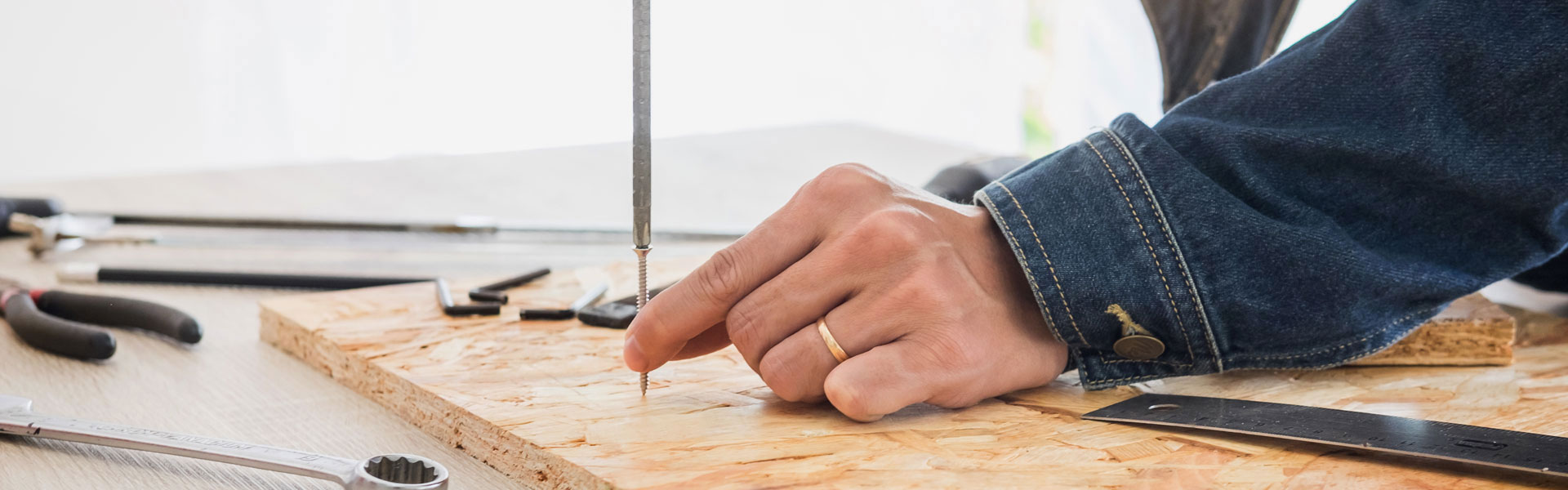
Why Is Compound Groove Self Tapping Screw Essential for Modern Fastening Applications?
From industrial machinery to furniture assembly and construction projects, choosing the right fastening solution directly affects durability, efficiency, and safety. Compound Groove Self Tapping Screw products are becoming increasingly popular because they simplify installation, improve holding strength, and reduce labor costs across multiple industries.

Article Summary
This comprehensive guide explores the structure, advantages, materials, applications, installation methods, and maintenance practices of Compound Groove Self Tapping Screw products. It also explains how businesses can improve production efficiency, reduce assembly errors, and achieve long-term fastening reliability. Whether you work in construction, electronics, automotive manufacturing, or furniture production, this article provides practical insights to help you choose the ideal screw solution for your projects.
Table of Contents
- 1. What Is a Compound Groove Self Tapping Screw?
- 2. Why Are These Screws Different?
- 3. Main Components and Structural Design
- 4. Key Advantages in Industrial Applications
- 5. Common Materials and Surface Treatments
- 6. Industries That Benefit the Most
- 7. Installation Best Practices
- 8. How to Choose the Right Screw?
- 9. Common Problems and Solutions
- 10. Comparison with Traditional Fasteners
- 11. Maintenance and Storage Tips
- 12. Future Trends in Fastening Technology
- 13. FAQ
- 14. Final Thoughts
1. What Is a Compound Groove Self Tapping Screw?
A Compound Groove Self Tapping Screw is a specially engineered fastener designed to create its own threads while being driven into materials such as metal, plastic, or wood. Unlike conventional screws that may require pre-threaded holes, self tapping screws eliminate additional preparation steps and improve installation efficiency.
The “compound groove” design refers to the unique groove structure integrated into the screw head or thread area. This advanced geometry improves torque transfer, minimizes slippage, and enhances gripping performance during installation.
These screws are widely used in modern manufacturing because they combine:
- Fast installation speed
- Strong holding power
- Reduced assembly costs
- Excellent vibration resistance
- Improved operational safety
2. Why Are These Screws Different?
Traditional screws often suffer from several issues during installation:
- Cam-out during tightening
- Weak thread engagement
- Difficulty in automated assembly lines
- High installation labor costs
- Material cracking or stripping
Compound Groove Self Tapping Screw products solve these challenges through innovative engineering. Their groove design distributes force more evenly, allowing better contact between the driver bit and screw head.
| Feature | Traditional Screw | Compound Groove Self Tapping Screw |
|---|---|---|
| Installation Speed | Moderate | Fast |
| Torque Stability | Average | Excellent |
| Thread Formation | Less Efficient | Highly Efficient |
| Automation Compatibility | Limited | Very High |
3. Main Components and Structural Design
Understanding the structural composition helps buyers choose the correct fastener for their projects.
Head Design: The compound groove head enhances torque transmission and reduces stripping.
Thread Geometry: Sharp threads allow the screw to cut into materials effectively.
Point Configuration: Self tapping points help create mating threads without requiring nuts.
Surface Coating: Anti-corrosion coatings improve environmental resistance.
Many manufacturers also customize groove structures to improve compatibility with automated assembly systems.
4. Key Advantages in Industrial Applications
Manufacturers increasingly choose Compound Groove Self Tapping Screw solutions because they improve productivity and reduce operational downtime.
Higher Installation Efficiency
The self tapping capability eliminates separate threading operations, reducing labor and equipment costs.
Reduced Material Damage
Optimized groove and thread designs minimize cracking and deformation in sensitive materials.
Improved Holding Strength
The advanced thread structure provides superior gripping performance even under vibration conditions.
Better Automation Performance
Modern production lines rely heavily on automated screw feeding systems. Compound groove designs improve bit engagement and reduce installation errors.
5. Common Materials and Surface Treatments
Selecting the right material directly affects corrosion resistance, mechanical strength, and service life.
| Material | Advantages | Applications |
|---|---|---|
| Carbon Steel | High strength and affordability | General construction |
| Stainless Steel | Excellent corrosion resistance | Outdoor equipment |
| Alloy Steel | Superior hardness | Heavy machinery |
Popular surface treatments include:
- Zinc plating
- Black oxide coating
- Nickel plating
- Phosphate coating
- Hot-dip galvanization
6. Industries That Benefit the Most
Compound Groove Self Tapping Screw products are widely used across multiple industries because of their versatility and reliability.
Construction
Used for steel framing, roofing systems, and structural assemblies.
Automotive
Provides reliable fastening for vehicle interiors and metal components.
Electronics
Ideal for compact assemblies requiring precise torque control.
Furniture
Ensures stable and efficient wood or panel fastening.
7. Installation Best Practices
Even high-quality fasteners require correct installation procedures for maximum performance.
- Choose the correct screw size and material.
- Use compatible driver bits.
- Apply proper torque settings.
- Avoid excessive tightening.
- Inspect alignment before final fastening.
Improper installation may lead to stripped threads, weak joints, or premature failure.
8. How to Choose the Right Screw?
Many buyers struggle with selecting the correct screw specification. The following factors should always be considered:
- Base material type
- Environmental conditions
- Required load capacity
- Corrosion exposure
- Installation equipment compatibility
- Thread design requirements
Working with an experienced manufacturer can significantly reduce purchasing risks and improve product consistency.
Zhejiang Kangying Hardware Technology Co,.Ltd. specializes in high-performance fastening solutions and provides customized manufacturing support for different industrial applications.
9. Common Problems and Solutions
| Problem | Cause | Solution |
|---|---|---|
| Thread Stripping | Over-tightening | Use torque-controlled tools |
| Corrosion | Poor coating selection | Choose anti-corrosion finishes |
| Loose Fastening | Incorrect thread design | Select proper thread pitch |
| Bit Slippage | Low-quality groove structure | Use compound groove designs |
10. Comparison with Traditional Fasteners
Compared with standard screws, rivets, and bolts, Compound Groove Self Tapping Screw products offer several operational benefits.
- Faster assembly times
- Lower labor requirements
- Reduced need for additional components
- Better vibration resistance
- Enhanced automation compatibility
- Improved overall productivity
These characteristics make them highly attractive for modern industrial production environments.
11. Maintenance and Storage Tips
Proper storage ensures long-term screw performance and reduces material waste.
- Store screws in dry environments
- Avoid direct exposure to moisture
- Separate different materials and coatings
- Use sealed packaging when possible
- Inspect for corrosion before installation
Manufacturers should also maintain inventory rotation practices to preserve coating quality.
12. Future Trends in Fastening Technology
The fastening industry continues evolving toward smarter, faster, and more sustainable manufacturing solutions.
Future Compound Groove Self Tapping Screw innovations may include:
- Advanced anti-vibration technologies
- Lightweight alloy materials
- Smart coating systems
- AI-assisted automated installation
- Improved corrosion resistance
- Eco-friendly manufacturing processes
As industries continue adopting automation and precision manufacturing, demand for advanced fastening solutions will continue growing rapidly.
13. Frequently Asked Questions
Can self tapping screws be reused?
In some cases, yes. However, repeated installation may reduce thread holding strength, especially in softer materials.
Are stainless steel screws better than carbon steel screws?
Stainless steel offers superior corrosion resistance, while carbon steel generally provides higher hardness at lower cost.
Do self tapping screws require pilot holes?
Some applications benefit from pilot holes, especially when working with thicker or harder materials.
What industries use compound groove screws the most?
Construction, automotive, electronics, furniture manufacturing, and heavy equipment industries commonly use these fasteners.
How can I prevent screw corrosion?
Choose appropriate coatings and materials based on environmental exposure conditions.
14. Final Thoughts
Compound Groove Self Tapping Screw products represent a major advancement in fastening technology. Their ability to improve installation efficiency, increase structural reliability, and reduce maintenance costs makes them a preferred solution across modern industries.
By understanding screw materials, groove structures, installation methods, and environmental considerations, businesses can significantly improve operational performance and product durability.
Whether you are managing industrial manufacturing, construction projects, or automated assembly systems, choosing high-quality fastening products can directly impact long-term productivity and safety.
Zhejiang Kangying Hardware Technology Co,.Ltd. provides professional manufacturing solutions for high-performance Compound Groove Self Tapping Screw products tailored to various industrial applications.
Contact us today to discuss your project requirements and discover durable fastening solutions designed for long-term performance.