
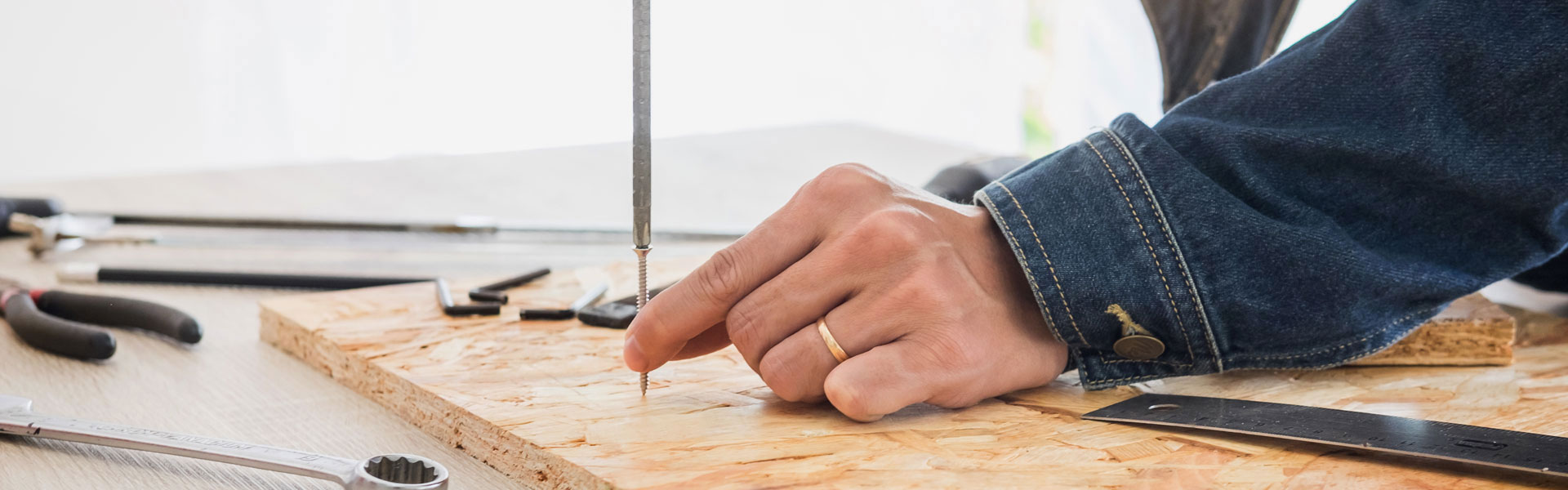
Why Is Self Drilling Screw Essential for Fast and Reliable Construction?
Self drilling screws have become one of the most important fastening solutions in modern construction, manufacturing, roofing, and metal fabrication industries. Unlike traditional screws, these fasteners combine drilling, tapping, and fastening into a single operation, greatly improving installation efficiency while reducing labor costs. This article explores everything buyers, contractors, wholesalers, and engineers need to know about self drilling screws, including types, materials, applications, installation methods, corrosion resistance, common problems, and purchasing considerations. Whether you are working on steel framing, roofing systems, HVAC installation, or industrial assembly, understanding how self drilling screws work can help you improve project durability and performance.

Contents
- 1. What Is a Self Drilling Screw?
- 2. How Does a Self Drilling Screw Work?
- 3. Types of Self Drilling Screws
- 4. Materials and Surface Coatings
- 5. Common Applications in Different Industries
- 6. Main Benefits of Using Self Drilling Screws
- 7. Self Drilling Screw vs Traditional Screw
- 8. How to Choose the Right Self Drilling Screw
- 9. Best Installation Practices
- 10. Common Mistakes to Avoid
- 11. Why Corrosion Resistance Matters
- 12. How to Identify High-Quality Screws
- 13. Choosing a Reliable Manufacturer
- 14. Frequently Asked Questions
- 15. Conclusion
1. What Is a Self Drilling Screw?
A self drilling screw is a specialized fastener designed with a drill-point tip that allows it to drill its own hole while simultaneously creating mating threads during installation. Because of this integrated function, users do not need to pre-drill holes before fastening materials together.
These screws are commonly used in:
- Metal roofing installation
- Steel framing
- HVAC systems
- Automotive assembly
- Industrial manufacturing
- Wood-to-metal fastening
- Construction engineering
The drill point resembles a miniature drill bit, enabling the screw to penetrate steel, aluminum, sheet metal, and other materials quickly and efficiently.
| Feature | Description |
|---|---|
| Drill Point | Eliminates pre-drilling |
| Thread Design | Creates secure fastening |
| Installation Speed | Reduces labor time |
| Application | Metal, wood, plastic, composites |
2. How Does a Self Drilling Screw Work?
The working principle of a self drilling screw is simple but highly effective. The screw tip acts as a drill bit that cuts into the material surface during rotation. Once the tip penetrates the material, the threaded body follows and forms threads within the substrate.
This process combines three operations into one:
- Drilling
- Tapping
- Fastening
Because these actions happen simultaneously, contractors can complete installations much faster compared to traditional screws that require separate drilling and fastening steps.
High-speed installation also reduces:
- Operator fatigue
- Tool wear
- Installation errors
- Material damage
- Project delays
3. Types of Self Drilling Screws
Different applications require different screw designs. Selecting the correct type is essential for performance and durability.
| Type | Main Use | Key Feature |
|---|---|---|
| Hex Head | Roofing and steel structures | High torque resistance |
| Pan Head | Light-duty fastening | Wide bearing surface |
| Countersunk Head | Flush surface installation | Smooth finish |
| Wafer Head | Thin metal fastening | Large clamping area |
| Truss Head | Sheet metal projects | Enhanced holding power |
Drill points are also classified by numbers such as #1, #2, #3, #4, and #5. Higher numbers indicate stronger drilling capacity for thicker metal materials.
4. Materials and Surface Coatings
The performance of self drilling screws depends heavily on material selection and protective coatings.
Common materials include:
- Carbon steel
- Stainless steel 304
- Stainless steel 410
- Bi-metal combinations
Surface coatings are applied to improve corrosion resistance and appearance.
| Coating | Advantages |
|---|---|
| Zinc Plating | Affordable corrosion protection |
| Ruspert Coating | Excellent salt spray resistance |
| Hot-Dip Galvanized | Heavy-duty outdoor durability |
| Black Oxide | Decorative and mild protection |
For outdoor environments or coastal projects, stainless steel or advanced coated screws are strongly recommended.
5. Common Applications in Different Industries
Self drilling screws are widely used because of their versatility and installation efficiency.
Construction Industry
- Steel frame assembly
- Drywall systems
- Roofing panel installation
- Facade cladding
HVAC Industry
- Air duct installation
- Ventilation system fastening
- Equipment panel assembly
Automotive Industry
- Body panel fastening
- Interior component installation
- Light metal assembly
Furniture Manufacturing
- Metal furniture assembly
- Cabinet structures
- Storage rack systems
Their ability to reduce assembly time makes them highly valuable in mass production environments.
6. Main Benefits of Using Self Drilling Screws
Customers often choose self drilling screws because they solve several common installation challenges.
- Faster Installation: No need for pre-drilling
- Lower Labor Cost: Fewer tools and fewer steps
- Improved Efficiency: High productivity on job sites
- Strong Holding Power: Secure fastening performance
- Reduced Material Damage: Cleaner penetration
- Wide Material Compatibility: Suitable for steel, aluminum, and wood
- Consistent Performance: Reliable results in industrial applications
For large-scale projects, even small time savings per screw can significantly reduce total construction costs.
7. Self Drilling Screw vs Traditional Screw
| Feature | Self Drilling Screw | Traditional Screw |
|---|---|---|
| Pre-Drilling Required | No | Yes |
| Installation Speed | Fast | Slower |
| Labor Efficiency | High | Moderate |
| Tool Requirement | Minimal | Additional drill needed |
| Installation Accuracy | High | Depends on pilot hole |
Although self drilling screws may have a slightly higher unit cost, they often provide better overall project value because of labor savings and improved efficiency.
8. How to Choose the Right Self Drilling Screw
Selecting the correct fastener requires evaluating several important factors.
Material Thickness
Choose a drill point suitable for the thickness of the substrate. Thicker steel requires stronger drill points.
Environmental Conditions
Outdoor applications need superior corrosion resistance.
Load Requirements
Heavy structural applications require stronger screw materials and larger diameters.
Head Style
Different head designs affect appearance and installation torque.
Thread Type
Fine threads work better for metal, while coarse threads are more suitable for softer materials.
Working with experienced manufacturers can simplify product selection and reduce purchasing risks.
9. Best Installation Practices
Proper installation is essential for maximizing screw performance.
- Use the correct driver bit
- Maintain proper drill speed
- Apply steady pressure during drilling
- Avoid over-tightening
- Ensure screw alignment is perpendicular
- Replace worn driver bits regularly
- Use sealing washers for waterproof applications
Incorrect installation can lead to:
- Thread stripping
- Reduced holding strength
- Leakage in roofing systems
- Premature corrosion
- Fastener breakage
10. Common Mistakes to Avoid
Many users experience fastening failures because of avoidable mistakes.
| Mistake | Result |
|---|---|
| Using wrong drill point | Poor penetration |
| Over-tightening | Washer damage and leaks |
| Choosing low-quality screws | Rust and breakage |
| Improper storage | Coating deterioration |
| Using incorrect torque | Weak fastening |
Training workers on correct installation procedures can significantly improve fastening reliability.
11. Why Corrosion Resistance Matters
Corrosion is one of the biggest concerns in fastening systems. Rust can weaken structural integrity and shorten service life.
Applications exposed to:
- Rain
- Saltwater
- Humidity
- Chemicals
- Industrial pollution
require advanced anti-corrosion protection.
High-quality coated screws can maintain performance for many years even in harsh environments.
For coastal construction projects, stainless steel self drilling screws are often the preferred solution because they provide superior resistance against corrosion and oxidation.
12. How to Identify High-Quality Screws
Not all self drilling screws offer the same quality level. Buyers should evaluate several important indicators.
- Precise drill point geometry
- Consistent thread formation
- Uniform surface coating
- High hardness stability
- Salt spray test performance
- Certified production standards
- Reliable packaging and traceability
Professional manufacturers usually conduct:
- Torque testing
- Hardness testing
- Hydrogen embrittlement testing
- Corrosion testing
- Dimensional inspections
These quality controls help ensure consistent product performance in demanding industrial applications.
13. Choosing a Reliable Manufacturer
A dependable supplier can greatly impact product quality, delivery reliability, and long-term business success.
When selecting a self drilling screw manufacturer, buyers should consider:
- Manufacturing experience
- Production capacity
- Quality certifications
- Technical support capability
- Customization services
- Lead time stability
- Global export experience
Zhejiang Kangying Hardware Technology Co,.Ltd. specializes in manufacturing high-performance fastening products for construction and industrial applications. The company focuses on stable quality control, advanced production technology, and reliable customer service to meet diverse international market requirements.
Working with experienced manufacturers can help customers reduce procurement risks, improve installation efficiency, and ensure long-term project durability.
14. Frequently Asked Questions
Can self drilling screws be used in wood?
Yes. Many self drilling screws can fasten wood to metal or wood to wood, depending on the thread design and application requirements.
Do self drilling screws require pilot holes?
No. Their drill-point tip is specifically designed to eliminate the need for pilot holes in most applications.
What is the difference between self tapping and self drilling screws?
Self tapping screws create threads but usually require a pre-drilled hole. Self drilling screws can drill and tap simultaneously.
Which material is best for outdoor use?
Stainless steel and high-performance coated screws are ideal for outdoor and corrosive environments.
Why do some screws break during installation?
Common causes include excessive torque, poor-quality materials, incorrect drill speed, or using the wrong screw type for the application.
How long do self drilling screws last?
Their lifespan depends on material quality, environmental conditions, coating performance, and installation quality. High-grade screws can last for decades.
15. Conclusion
Self drilling screws play a critical role in modern fastening systems because they improve installation efficiency, reduce labor costs, and provide strong fastening performance across various industries. From construction and roofing to manufacturing and HVAC applications, these fasteners offer practical advantages that traditional screws cannot easily match.
Choosing the right screw type, material, coating, and supplier is essential for achieving long-lasting performance and project reliability. Buyers should prioritize quality, corrosion resistance, and technical support when selecting fastening products for industrial or commercial use.
Looking for reliable self drilling screw solutions for your next project? Zhejiang Kangying Hardware Technology Co,.Ltd. is committed to providing durable fastening products, professional technical support, and customized solutions for global customers.
Contact us today to learn more about our self drilling screw products, bulk order services, and customized manufacturing capabilities. Our professional team is ready to support your business with dependable fastening solutions designed for performance and long-term value.